Elaine Ford
Elaine Ford is a Scottish artist drawn to the unseen forces, sensory worlds and relationships that shape life and place. Through art, ecology and embodied exploration, she uses technology to investigate perception and translate environmental phenomena into material and immersive encounters. Her work seeks to expand perception, reveal the forces and relationships that shape our world and restore a deeper sense of ourselves as part of nature.

why I create
I make art to feel alive, more connected to this wild, breathing planet, and to the parts of ourselves we've learned to tune out. My practice isn't planned; it's intuitive. It begins with questions I don't yet know how to answer and often ends in forms that feel more like discoveries than decisions.
Through field exploration, drawing, glass, photography, immersive media and material experimentation, I follow curiosity into the often unseen relationships that shape our world.
I'm captivated by what's hidden, elemental and emergent. My work lives somewhere between ecology, perception and presence, a meeting point of art, science and something wilder. It explores our connection with nature, the intelligence of other species, and our awareness of the living world, inviting us to truly feel our own nature as an inseparable part of it.
For me, art is true freedom in exploration and discovery. It's a practice of listening. A way of waking up. I hope my work invites you to sense, question and rediscover the wild intelligence that lives both in nature - and in you.
Artist Biography
Elaine Ford is a Scottish artist whose practice explores the unseen forces, sensory worlds and relationships that shape life and place. Bringing together art, ecology and embodied exploration, she investigates how light, vibration, atmosphere, movement, chemistry and biological processes influence the ways environments are formed, sensed and experienced.
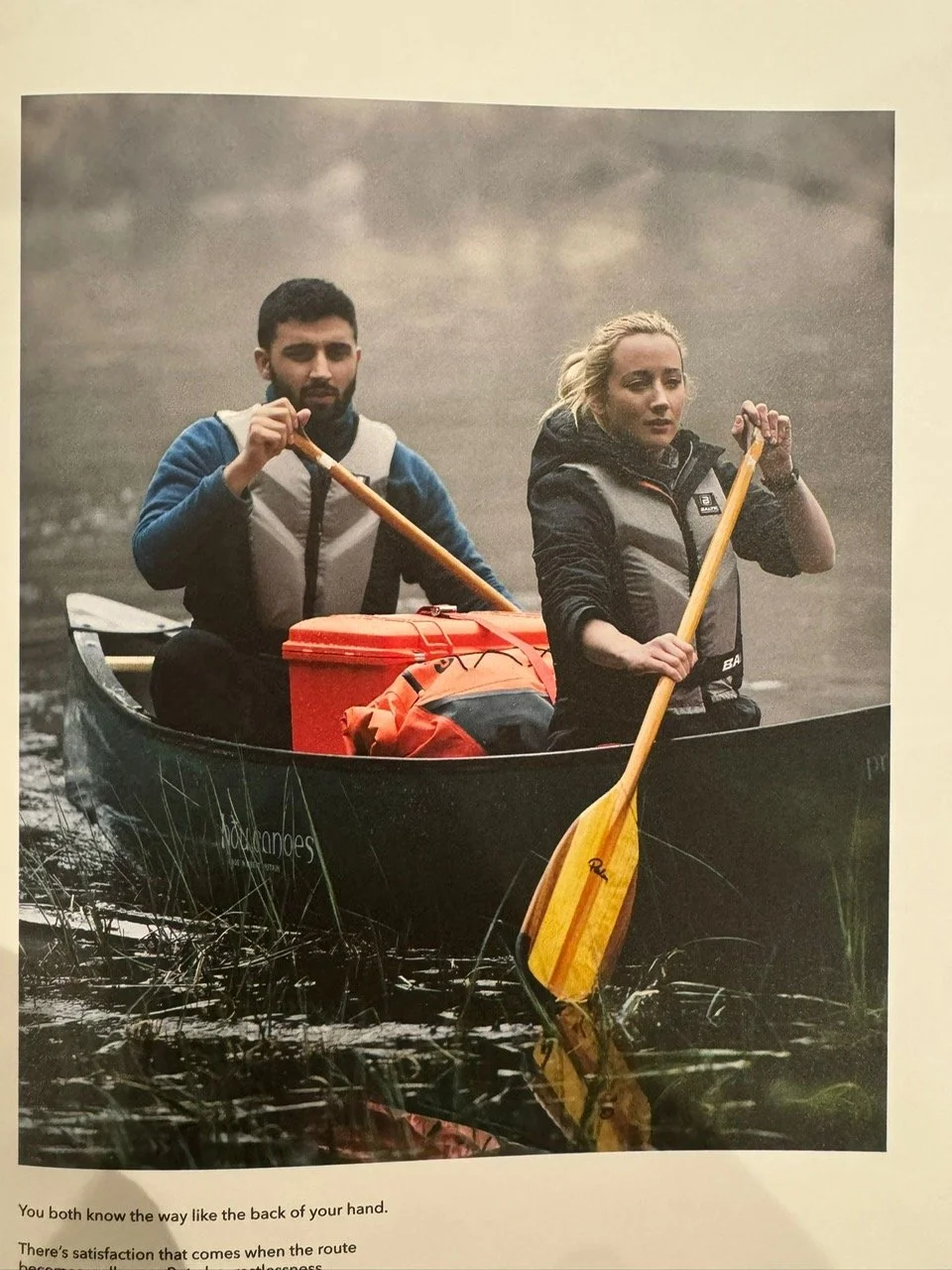
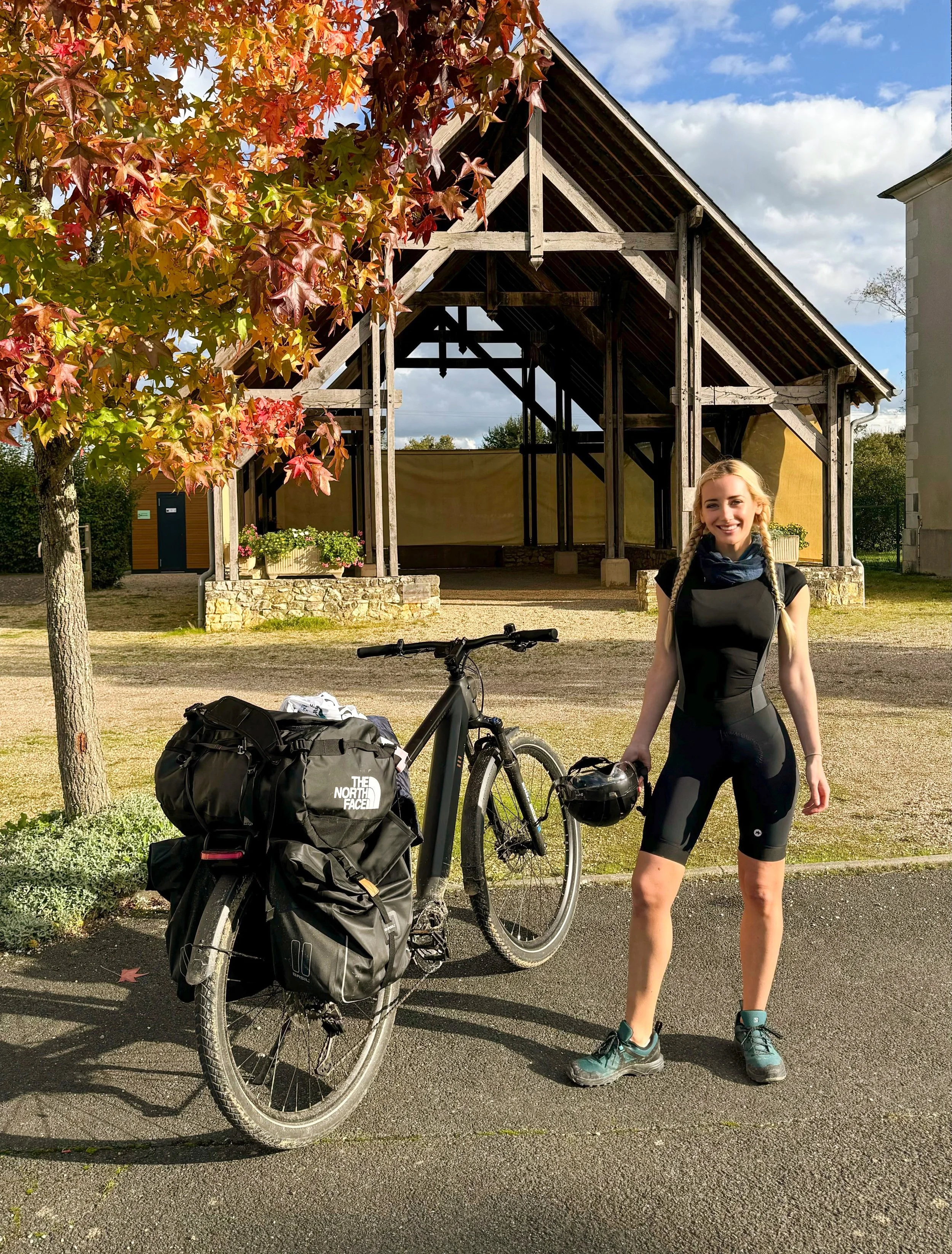
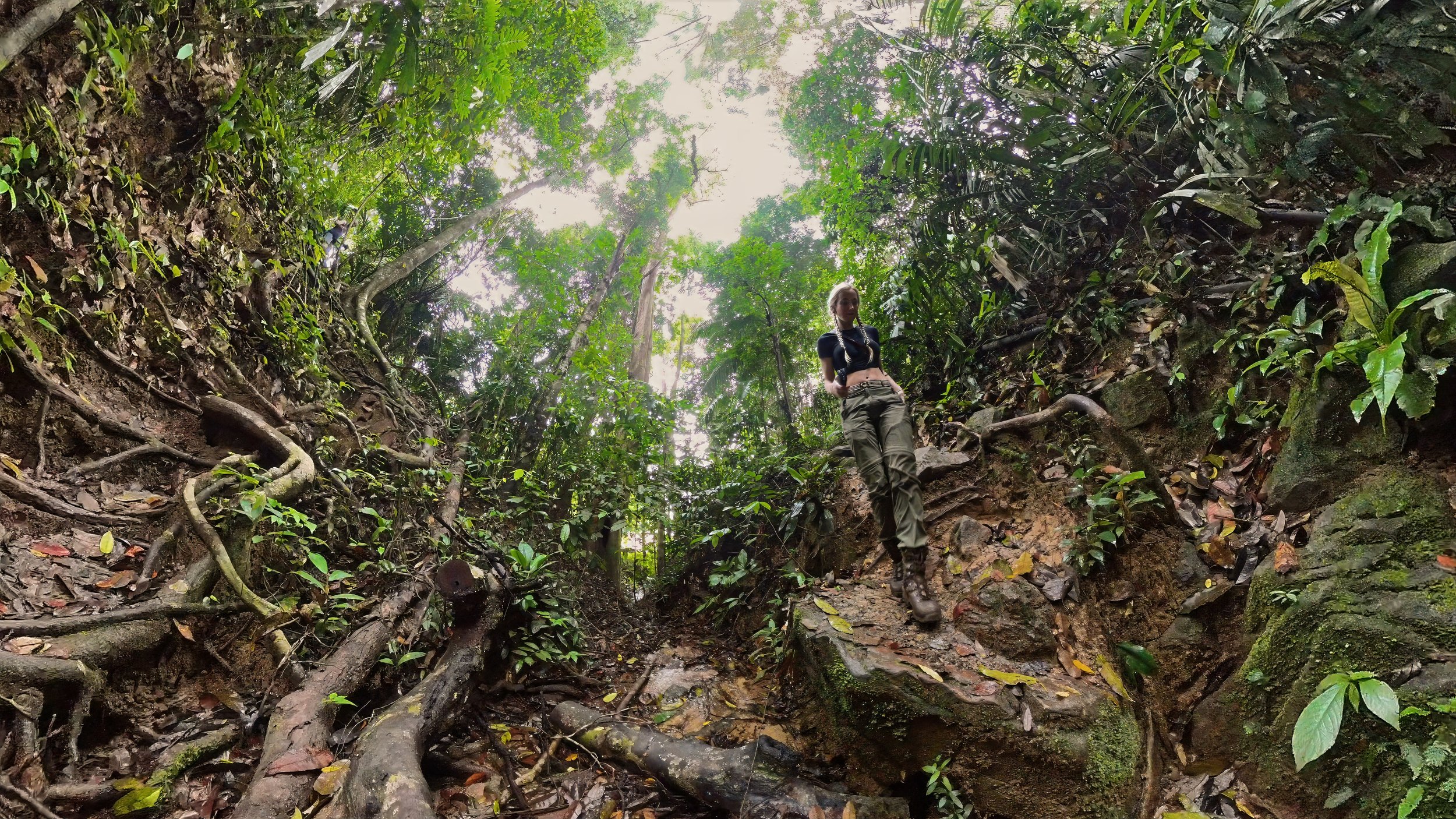
Ford’s practice is grounded in direct, embodied encounters with place. Moving between fieldwork and the studio, she gathers recordings, observations, environmental data and material traces while immersing herself physically in forests, wetlands, oceans, mountains and other dynamic environments. Exploration is both a research method and a way of thinking through the body: a process of moving, listening, testing limits and becoming attentive to forms of information that often remain beyond ordinary human perception.
Technology acts as an extension of perception within Ford’s practice. Through sensing technologies, scanning, immersive media and experimental instruments, she traces movements, vibrations and environmental relationships that exceed ordinary human awareness, translating them into material, sonic and spatial encounters.
These discoveries are translated through material processes, craft and installation into encounters that can be seen, heard and felt. Ford is particularly interested in the meeting point between emerging technologies and traditional making, and in how materials can carry traces of time, pressure, energy, chemistry and place.
Her work moves across scales, from microscopic processes and individual organisms to atmospheric forces and vast ecological networks. It asks how different beings and systems experience the world, how environmental phenomena can become physically and sensorially present, and how nature, materials, technologies, collaborators and audiences might participate in the creation of an artwork. Increasingly, her practice also questions what forms of life, environmental processes, knowledge and infrastructure society chooses to recognise, protect and monumentalise.
Ford completed foundation study at Glasgow School of Art and holds a BA (Hons) in Fine Art alongside a BSc in Biology with Ecology from the University of Edinburgh. Her practice is further informed by study in Digital Crafting with Glass and Material Culture at Edinburgh College of Art, and Tropical Biodiversity Fieldwork through the University of Edinburgh and Royal Botanic Garden Edinburgh.
Her interdisciplinary practice has developed through international field research, exhibitions, residencies and collaborations with scientific, cultural and conservation organisations. Across her work, Ford seeks to expand perception, reveal the forces and relationships that shape our world, and restore a deeper sense of ourselves as part of nature.
Exploration, Technology and Public Engagement
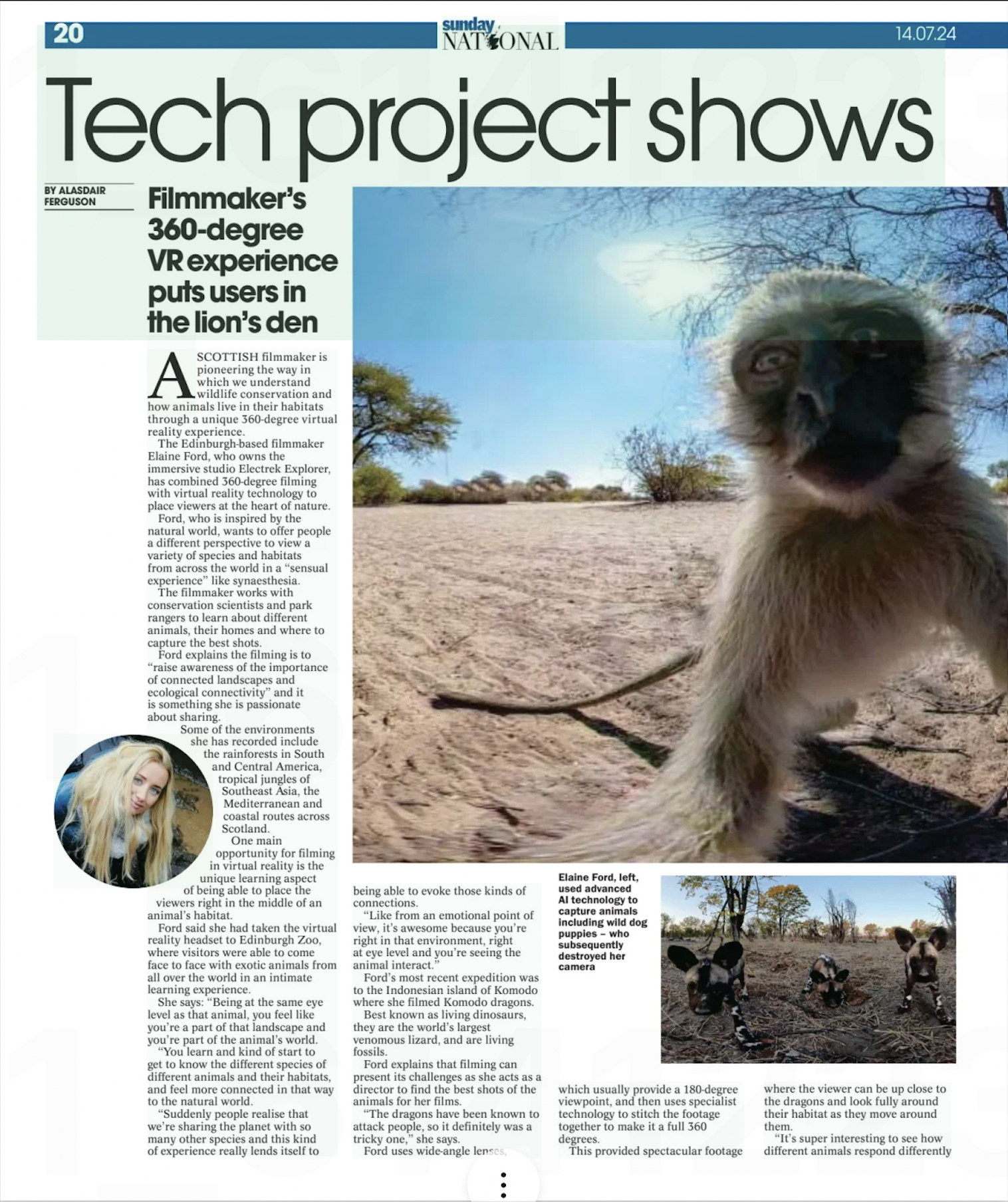
Beyond the studio, Ford has founded two initiatives that extend her exploration of ecology, perception and human connection into immersive media, public engagement and geospatial technology.
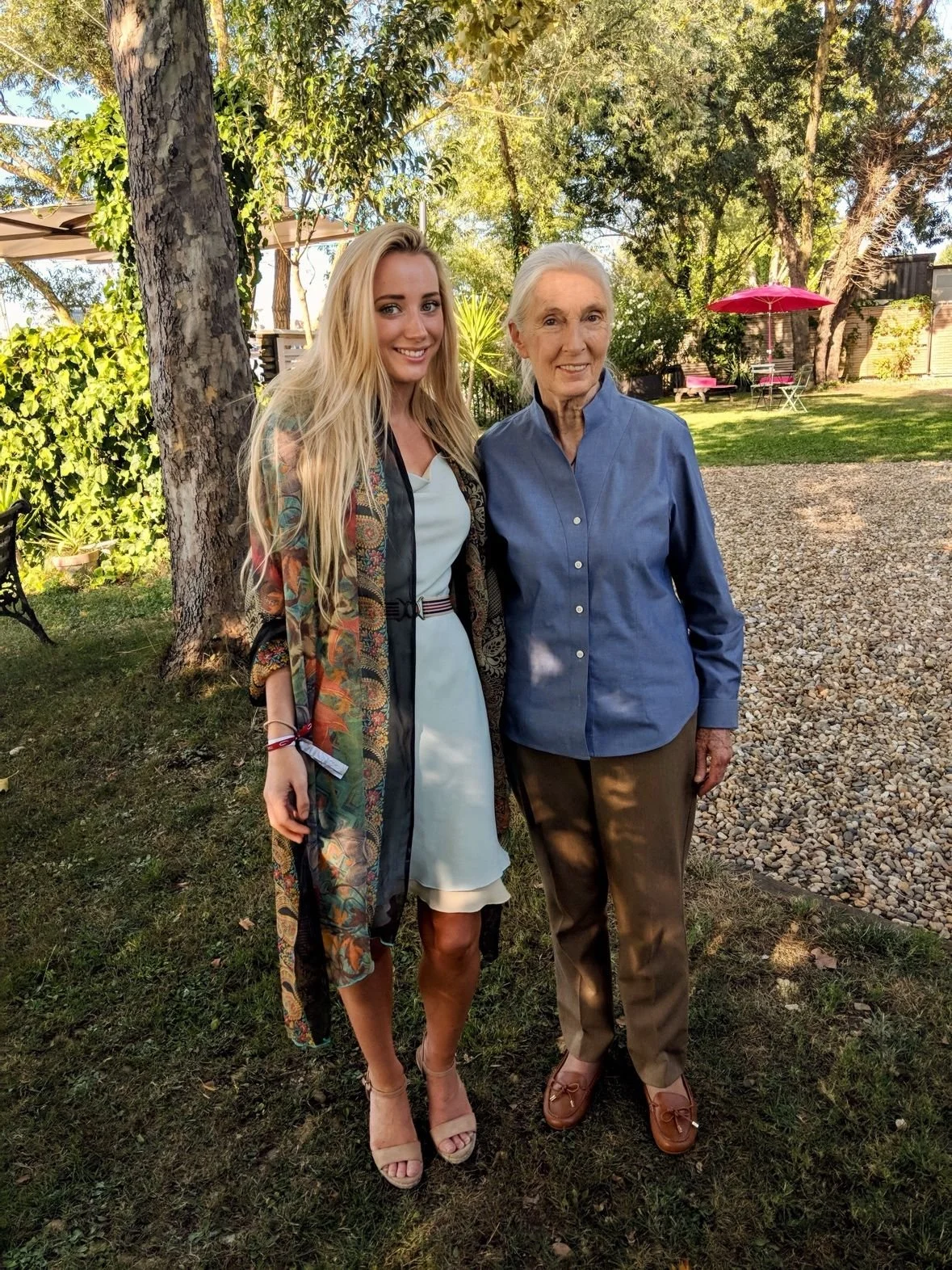
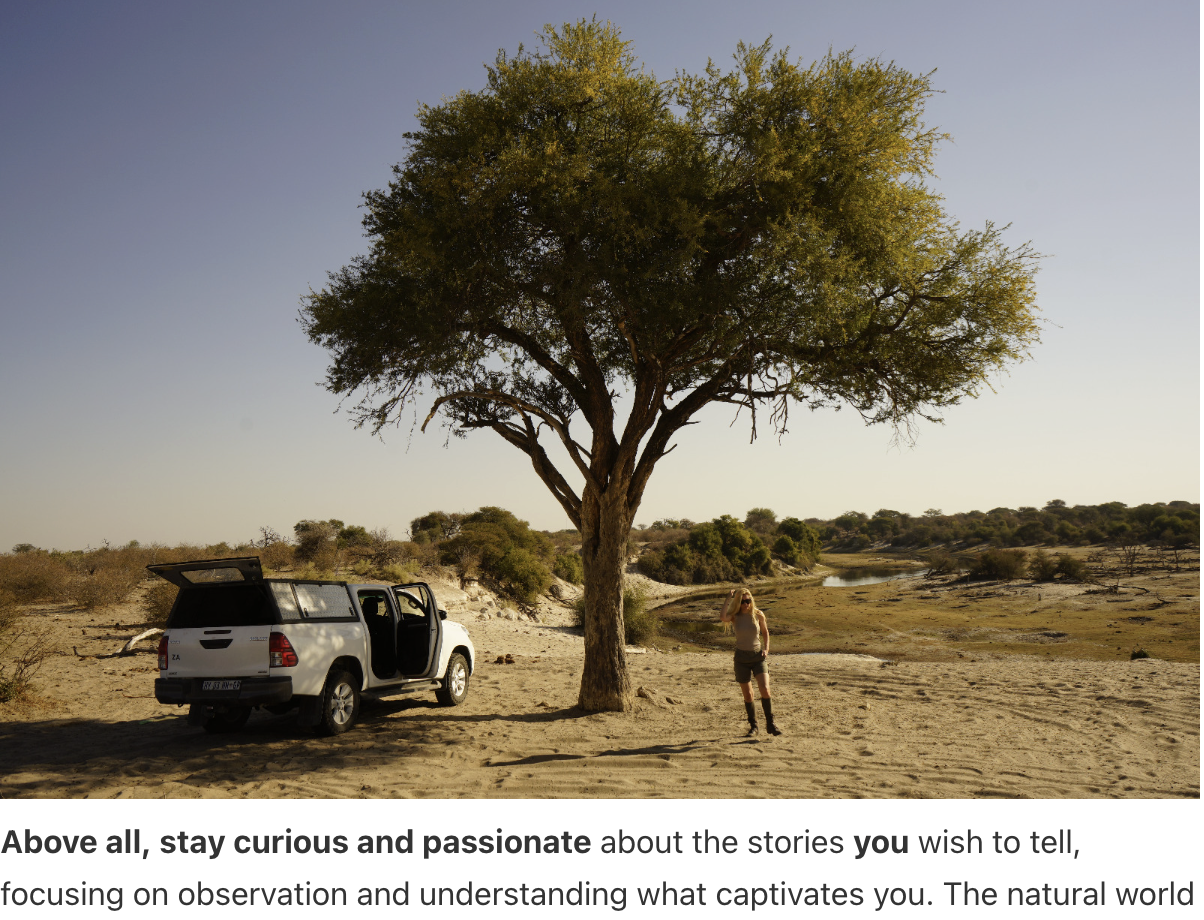
Planet Rewild develops immersive experiences inspired by the natural world, bringing together field exploration, storytelling and emerging technologies to deepen people's relationship with nature. Its projects have involved collaborations with organisations includingBirdLife International, the Jane Goodall Institute, RSPB, Fauna & Flora International, Elephants for Africa, Inspace Gallery and the Botswana Predator Trust, alongside education and public-engagement partnerships withThingLink, the Royal Zoological Society of Scotland, universities, researchers and conservation practitioners.
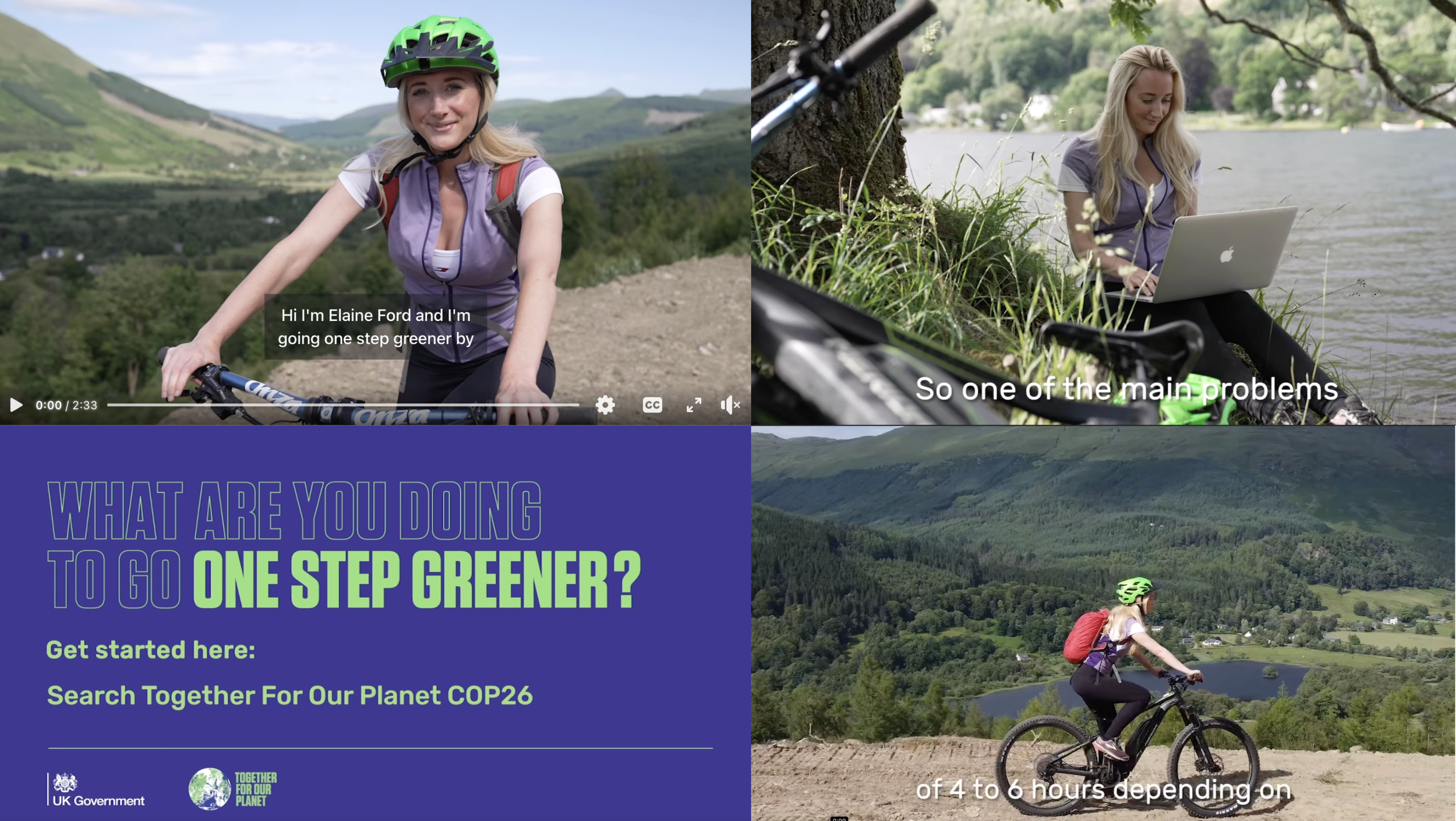
Electrek Explorer develops geospatial technology and environmental datasets that help people discover and experience nature in richer and more meaningful ways. Working with mapping, mobility and destination partners, it translates local knowledge and environmental context into experiences designed for electric travel, cycling and navigation platforms. The venture has worked with organisations including NatureScot, Ordnance Survey, Southern Uplands Partnership, Visit Outer Hebrides, Highlands and Islands Enterprise and the UK Department for Transport, and Ford was recognised as a COP26 Climate Ambassador.
Informed by field expeditions and as a member of The Explorers Club, her work explores the relationship between sensory experience, environmental systems, and human awareness.
Earlier in her career, Ford worked as an art tutor for the Royal National Institute of Blind People, designing inclusive workshops for visually impaired artists. She has also trained with Scottish Disability Sport in approaches to making movement, games and physical activity more accessible. These experiences continue to shape her belief that art, nature and creative experience should be accessible to all.
You can explore Elaine’s creative process here, and selected works can be viewed here.