Connected Landscapes: The Okavango Delta in 360°
Immersive fieldwork exploring wildlife movement, ecological connectivity, and life within one of Earth’s most dynamic ecosystems.
Overview
Connected Landscapes: The Okavango Delta in 360° is a conservation-led immersive film project developed through fieldwork in Botswana. Using 360° cinematography, the work explores how water, wildlife, and landscape interact across one of the world’s most biodiverse inland deltas.
Filmed in collaboration with researchers and conservation organisations working on the ground, the project brings audiences directly into the ecosystem - offering a first-hand perspective on species behaviour, movement, and environmental change.
Featuring 360° films by Elaine Ford
In collaboration with Wild Immersion
Endorsed by the Jane Goodall Institute
Field collaborators: Elephants for Africa and Botswana Predator Conservation Trust
Supported by the Global Challenges Research Fund
Why This Matters
The Okavango Delta is one of the last remaining large-scale, intact ecosystems on Earth. Its annual flood pulse - flowing from the Angolan Highlands into Botswana - reshapes the landscape each year, sustaining complex wildlife corridors and extraordinary biodiversity.
Understanding how species move through this environment is critical for conservation. Yet for most people, these systems remain distant and abstract.
This project uses immersive media to change that - placing audiences inside the landscape to experience ecological systems as living, dynamic environments rather than distant concepts.
Fieldwork & Approach
Developed during a research expedition into the Okavango Delta, this project combines ecological observation with immersive filmmaking.
Working alongside scientists and conservation teams in the field, I documented:
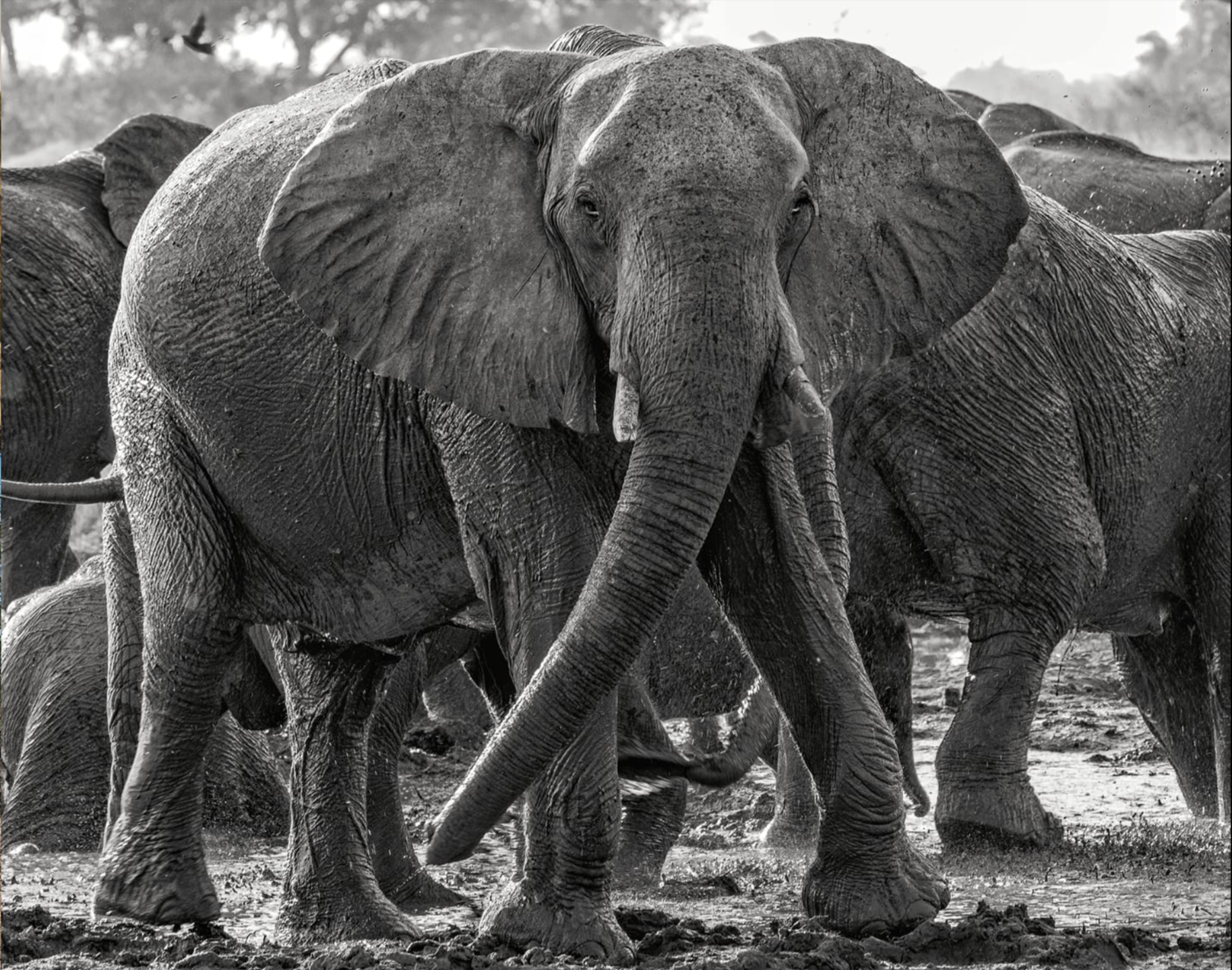
Free-roaming elephants navigating seasonal water systems
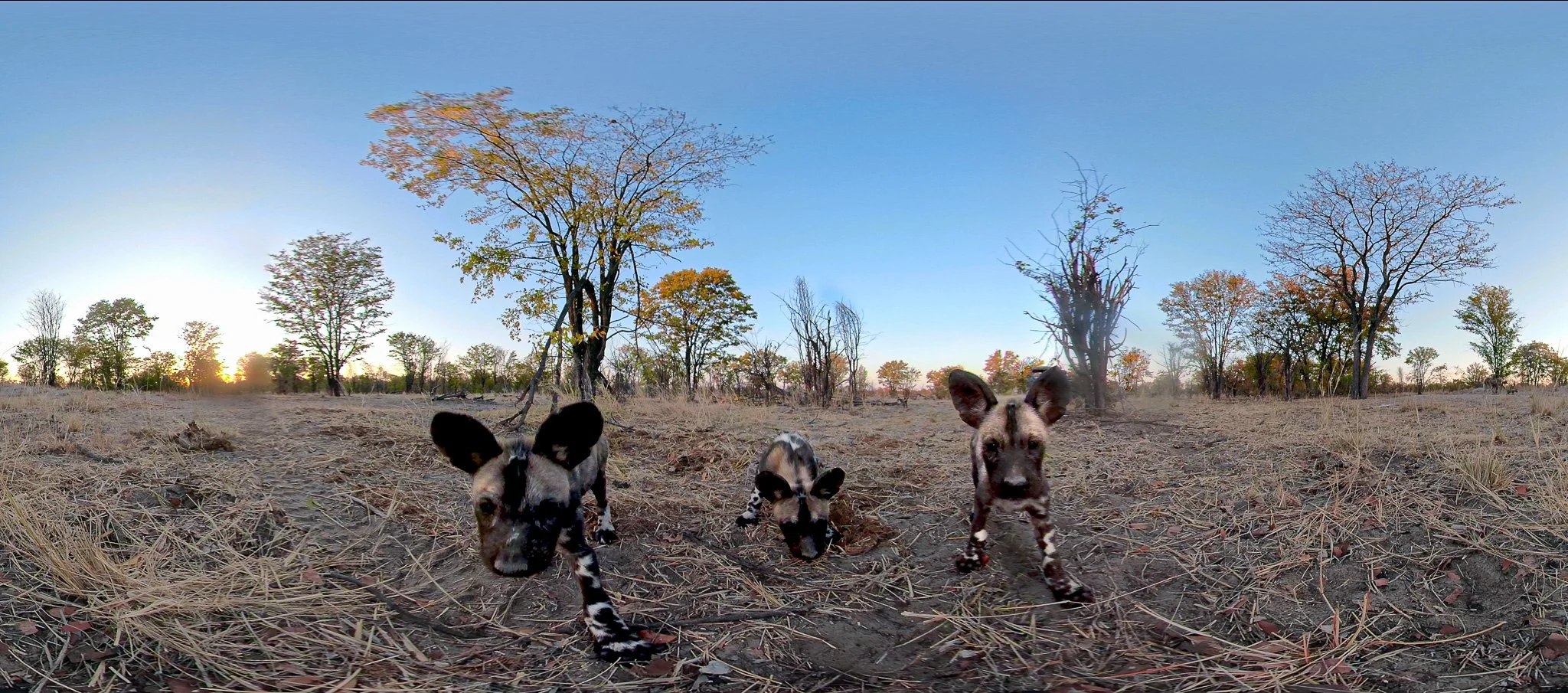
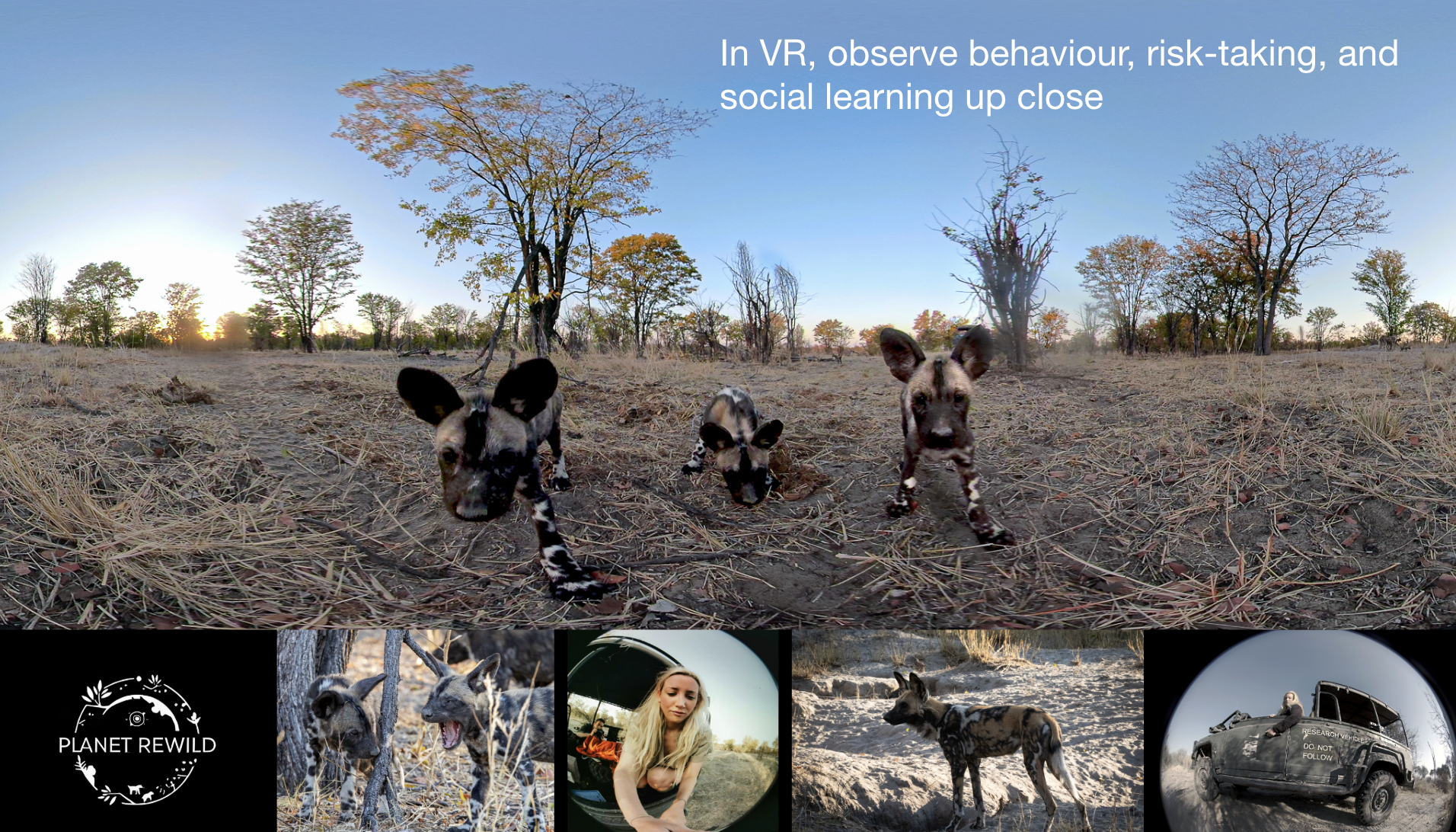
African wild dogs during social and hunting behaviour
Hippopotamus at dawn within flooded channels
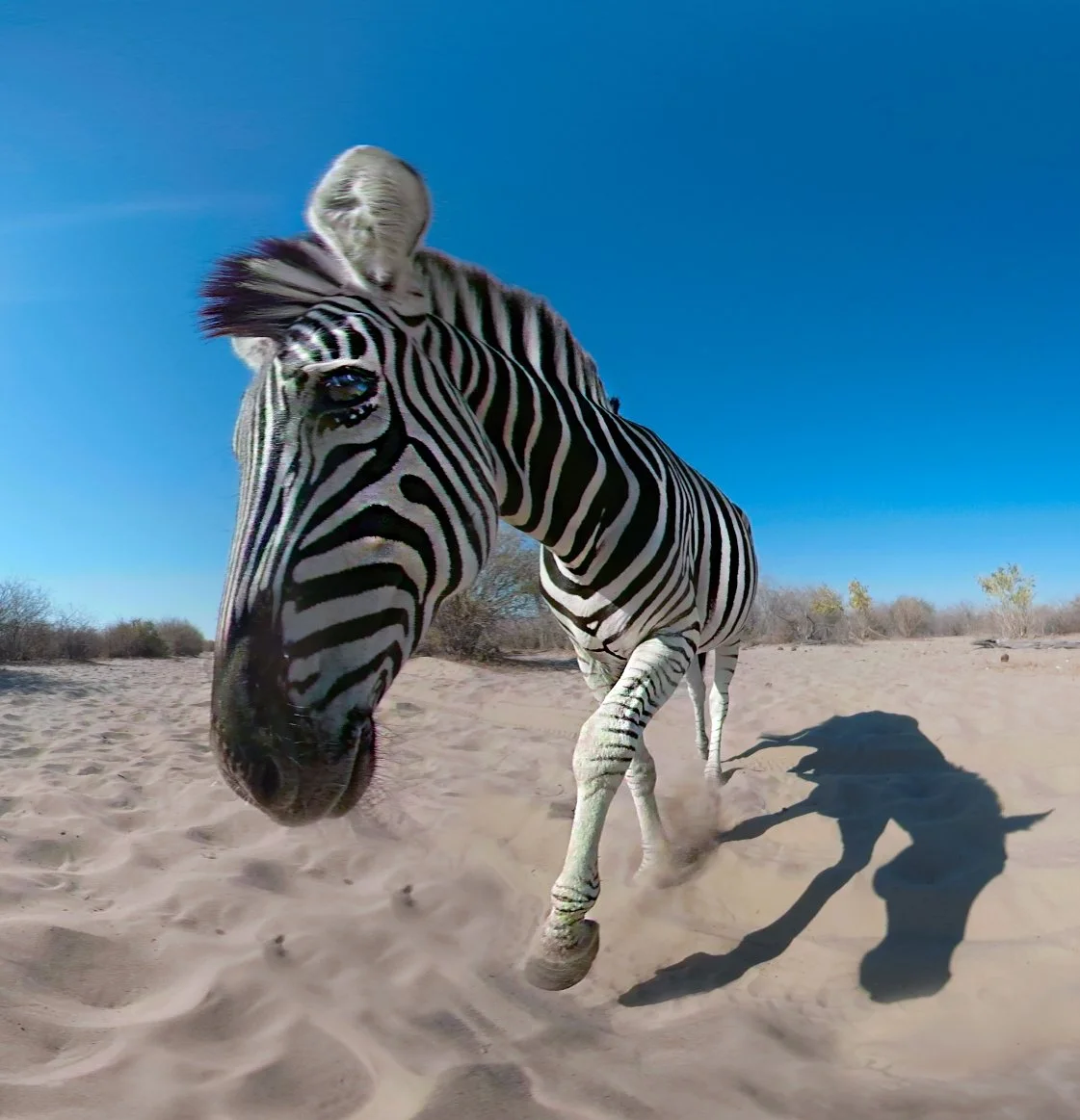
Giraffe, zebra, and lions across interconnected habitats
Camping in remote environments with researchers from Elephants for Africa and the Botswana Predator Conservation Trust allowed for extended observation of how species interact with each other and the landscape over time.
The result is a body of 360° footage that captures not just individual animals, but the relationships and movements that define the ecosystem as a whole.
The Seasonal Pulse
The Okavango is shaped by water.
A satellite timelapse (developed in collaboration with Space Intelligence) reveals the annual journey of floodwaters from the Angolan Highlands into the Delta - transforming dry land into a thriving wetland and guiding wildlife movement across the region.
This shifting hydrological system is central to the Delta’s survival and to the stories captured within this project.
Immersive Experience
This work forms part of a wider exploration into how immersive media can deepen human understanding of ecological systems.
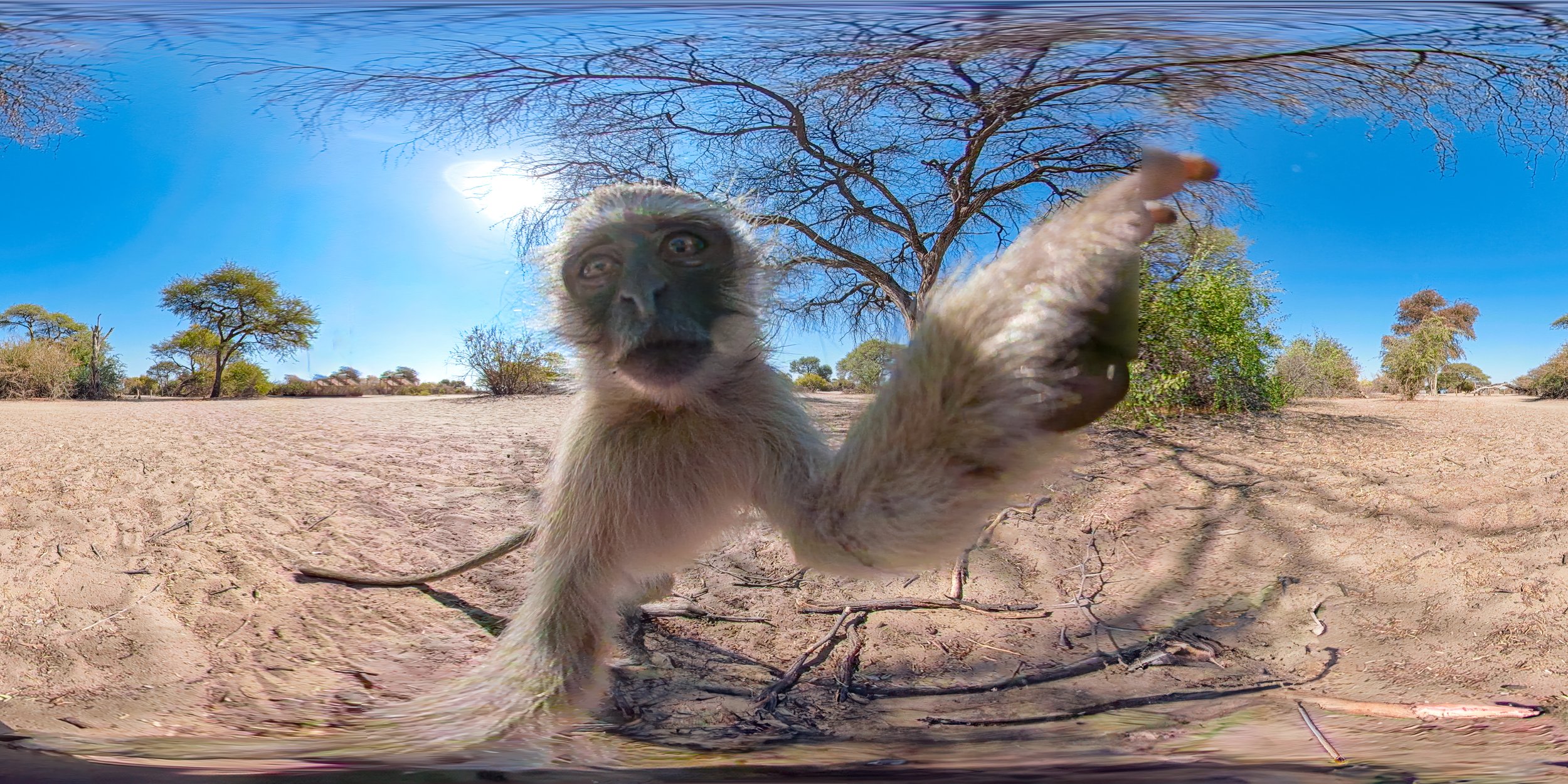
Through 360° film, viewers are placed directly within wildlife environments - able to look, move, and experience space in a way that traditional media cannot replicate.
The aim is not just to show nature, but to create a sense of presence within it - supporting stronger emotional connection, awareness, and engagement with conservation.
Global Reach & Impact
Footage from the Okavango Delta expedition has been developed into immersive experiences for international audiences.
Distributed globally through the immersive education platform ThingLink
Exhibited as part of a large-scale immersive installation at UNAM’s University Science Museum in Mexico City
Used by educators and students to explore ecosystems through interactive VR environments
Featured in educational programming, webinars, and editorial content
Selected sequences, including wild elephants on the savannah, hippos at dawn, and African wild dog pups and other immersive storytelling - are now licensed for educational use, extending the impact of the original fieldwork far beyond the Delta itself.
Further reading:
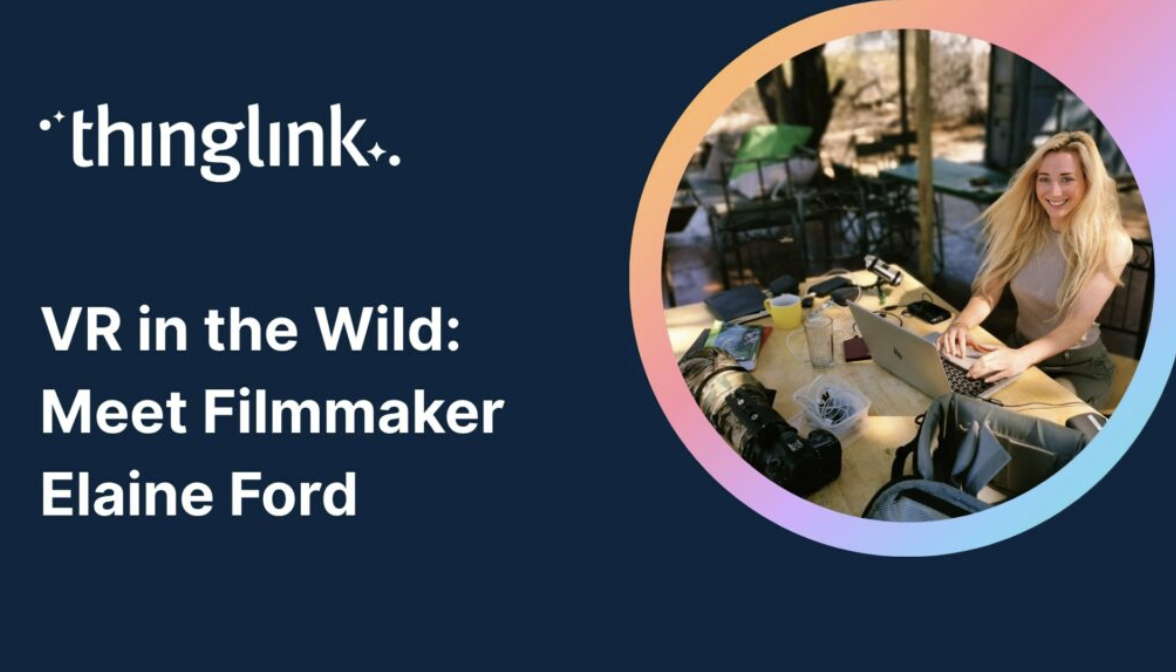
VR in the Wild — Meet filmmaker Elaine Ford (ThingLink feature)
All filming was carried out with respect for wildlife and in collaboration with local researchers and conservation experts. The project prioritises minimal disturbance and aims to support broader conservation awareness and engagement.
Ethics & Collaboration
Collaboration Potential
This project demonstrates how immersive storytelling can support:
Conservation organisations seeking new ways to communicate their work
Educational platforms and institutions
Public exhibitions and museums
Philanthropic and impact-led initiatives
Connect
If you’re interested in exhibiting this work, licensing footage, or developing new immersive projects, I’d be glad to explore how this can be brought to your audience.
Let’s bring these environments closer and deepen how people experience and understand the natural world.